


Where does the wall end and the ceiling begin? Standard solutions are simple: the gap between the wall and the membrane is hidden by a plastic insert. In a modern interior you will find a thin shadow line, a light strip or a curtain niche there instead. All of this is done by the stretch ceiling profile: the membrane is stretched onto it, so the look of the room and the reliability of the fixing for the whole service life depend on the profile you choose. Pullsky has been a stretch ceiling manufacturer since 2011: the company’s second production site is in Kyiv, and it supplies its partners with everything needed for turnkey installation.
Types of stretch ceiling profiles in the catalogue
The catalogue offers five types of ceiling profiles: shadow-gap, floating, curtain track, curtain niche and magnetic track profiles. All profiles here are aluminium, white or black, and stock availability is shown on each product card. Each type is designed for a different task, so below is a short description of every type and its installation specifics. If you already know the model name, the search is the quickest way to find it.
Shadow-gap profile: a ceiling without an insert
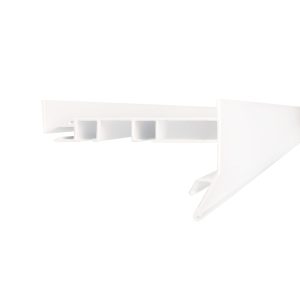
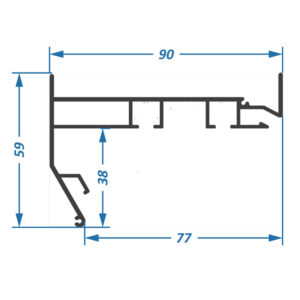
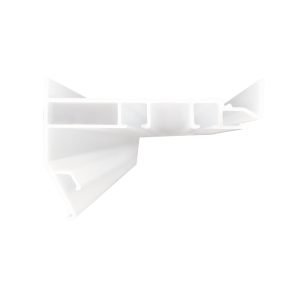
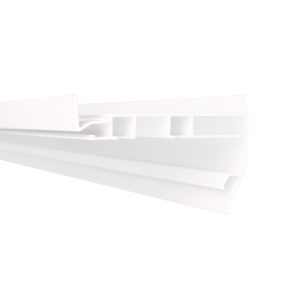
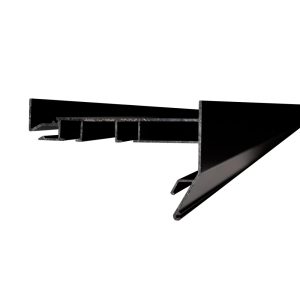
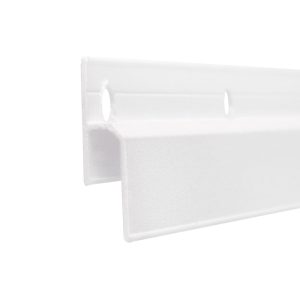
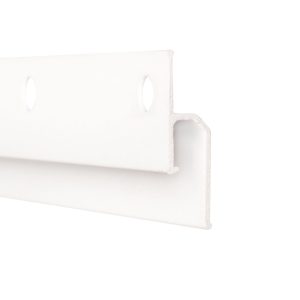
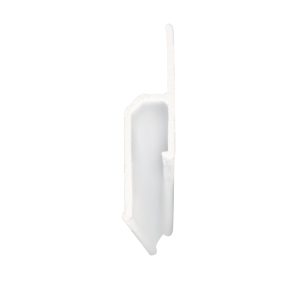
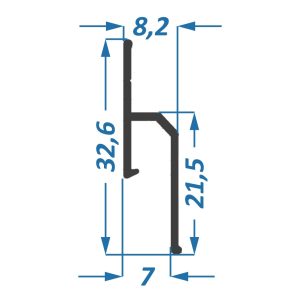
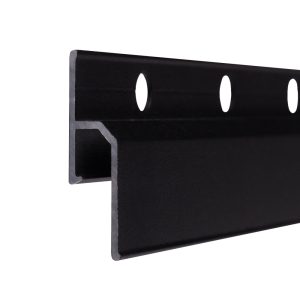
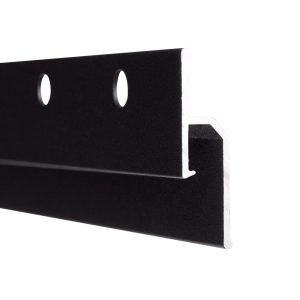
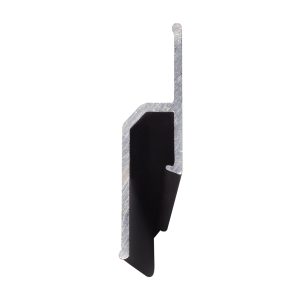
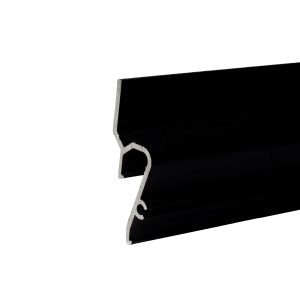
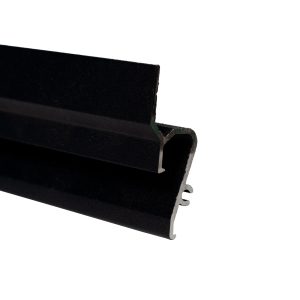
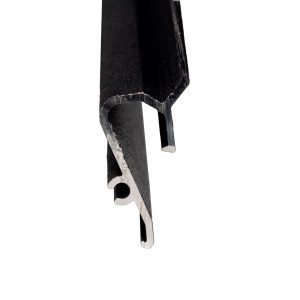
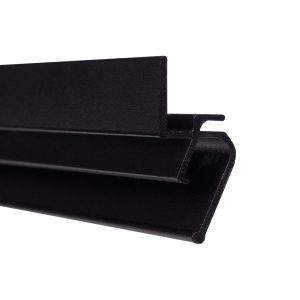
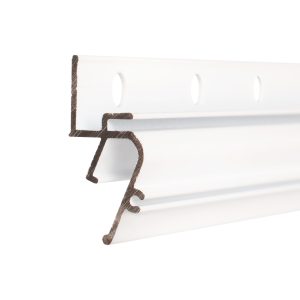
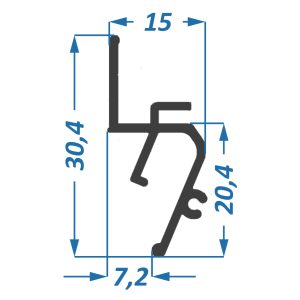
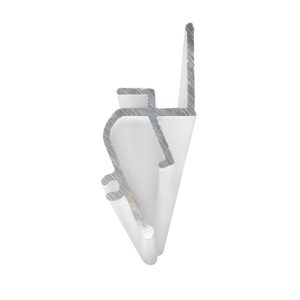
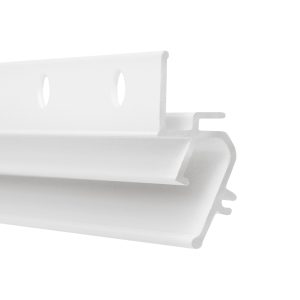
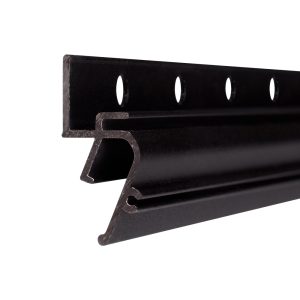
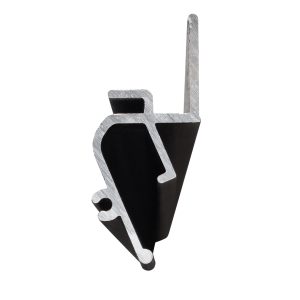
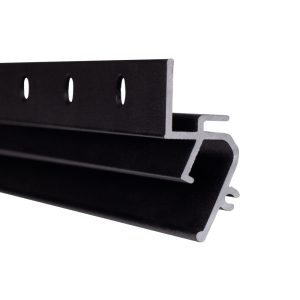
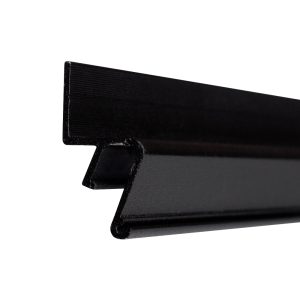
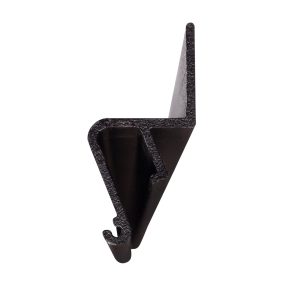
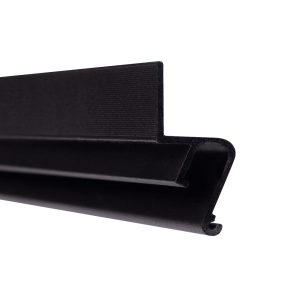
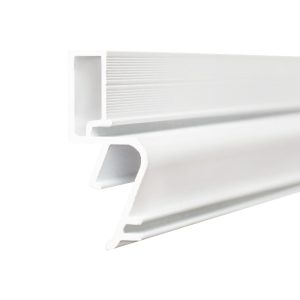
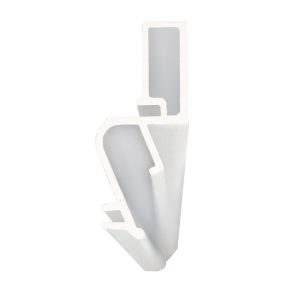
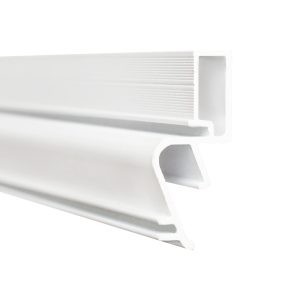
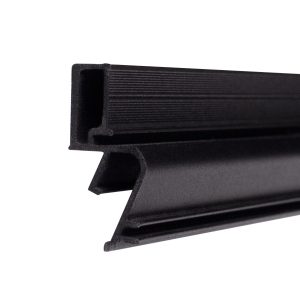
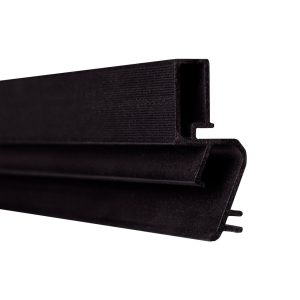
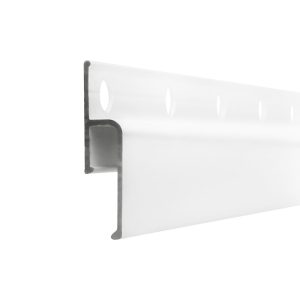
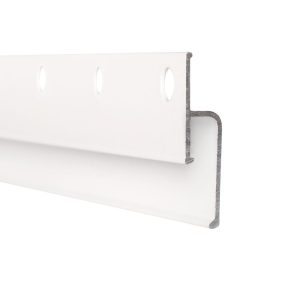
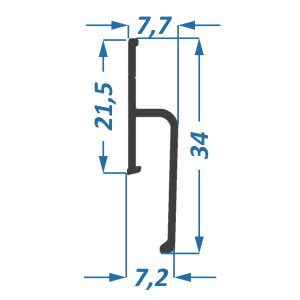
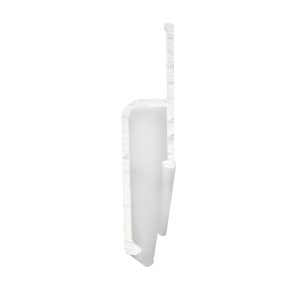
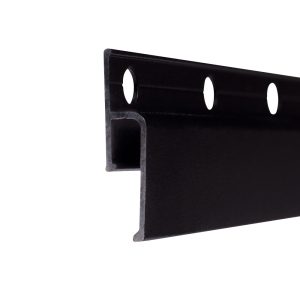
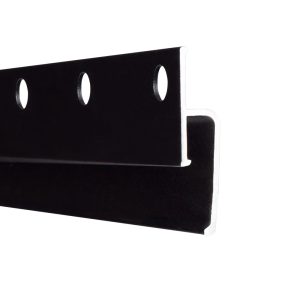
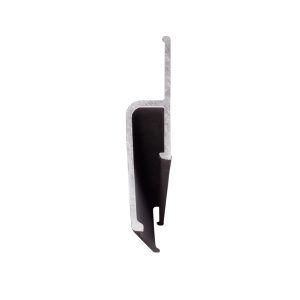
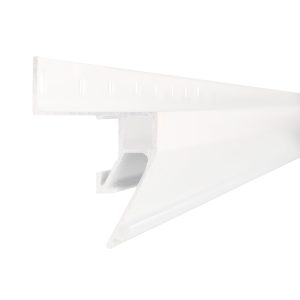
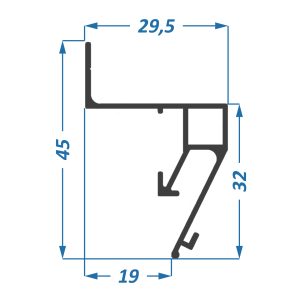
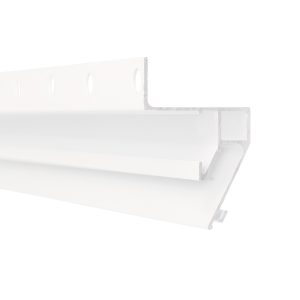
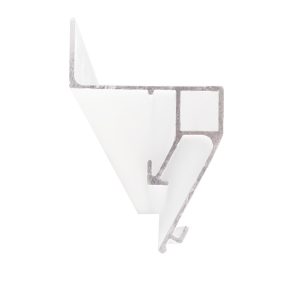
The shadow-gap profile does without the standard insert: the joint is not covered with a masking strip, but left as an even gap along the whole length of the wall. A thin shadow line forms between the wall and the ceiling, and the membrane seems to float away from the wall. It looks modern, and any membrane texture can be used. Unlike the shadow-gap profile, the gapless profile brings the edge of the membrane right up to the wall with no gap at all. The range includes several variants, from the Eurocrab model to an extended version 2.5 metres long. Note: a shadow line around the ceiling perimeter emphasises any imperfections in wall geometry, and even a 2–3 mm deviation will be visible.
Floating ceiling profile
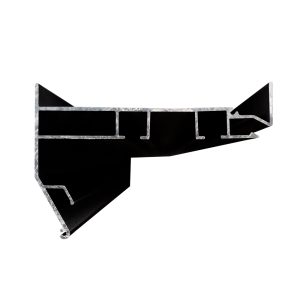
The GKh1 floating profile is designed for perimeter lighting: an LED strip can be built into a special groove to create a floating effect. The ceiling plane visually separates from the walls, and the room feels taller. This option suits stretch ceilings in all kinds of rooms where the backlight complements the main lighting. At corners the profile is completed with dedicated plastic GKh1 corners.
Hidden curtain track and curtain niche
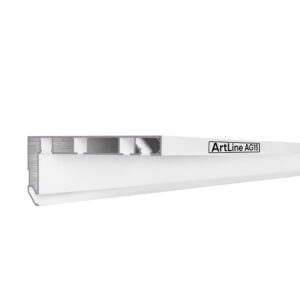
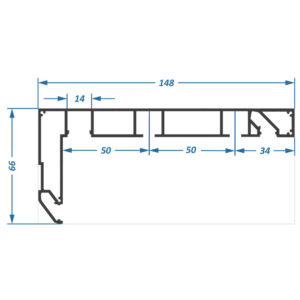
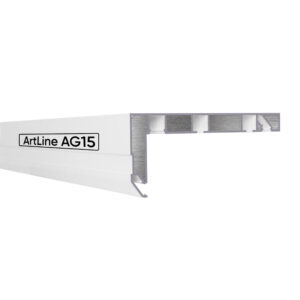
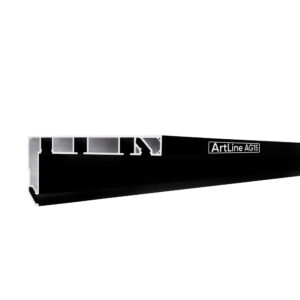
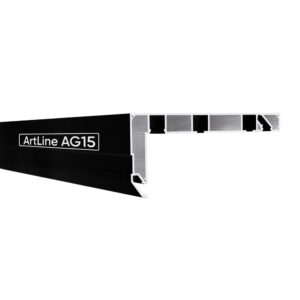
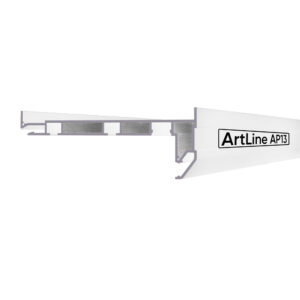
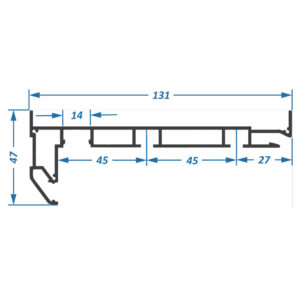
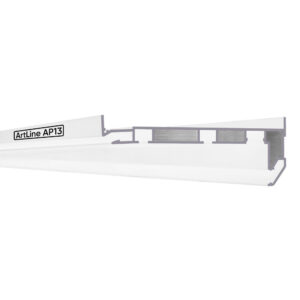
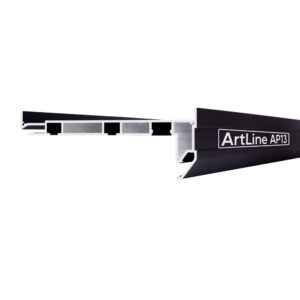
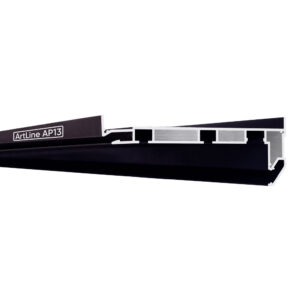
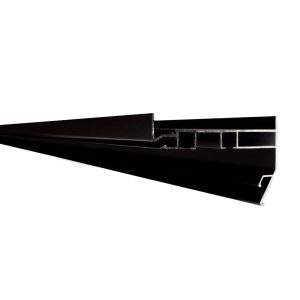
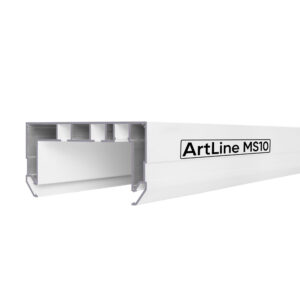
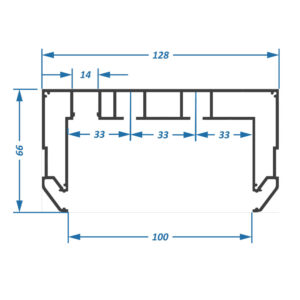
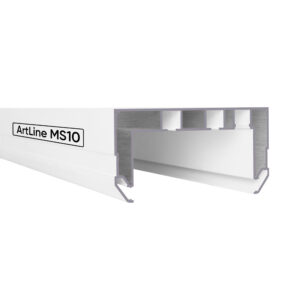
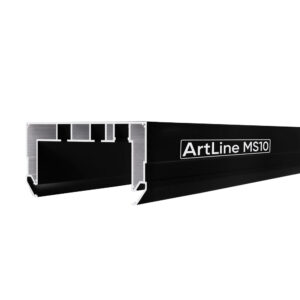
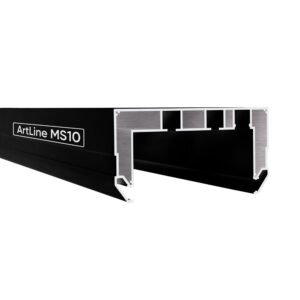
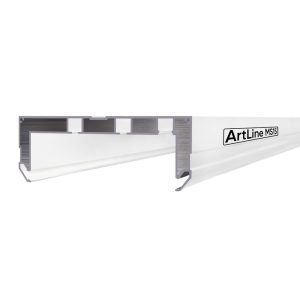
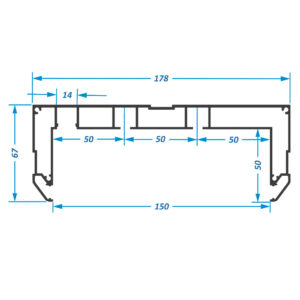
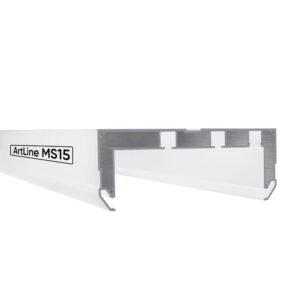
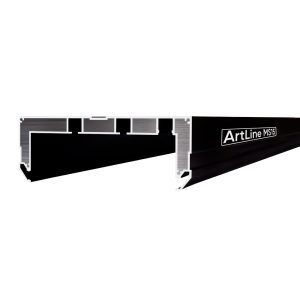
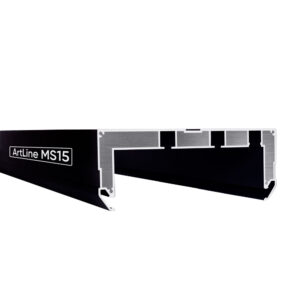
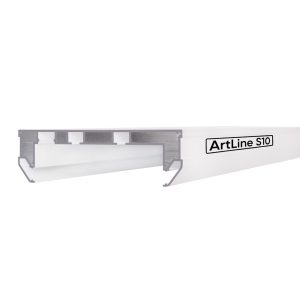
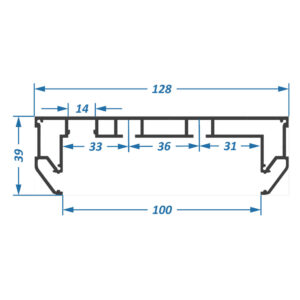
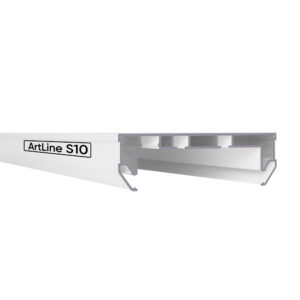
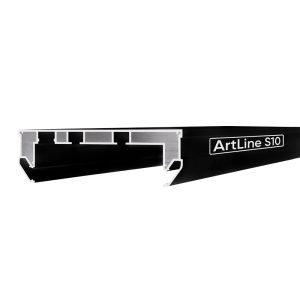
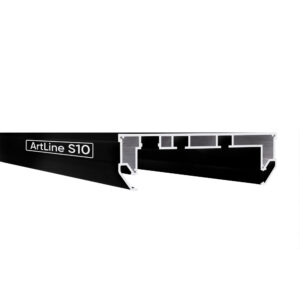
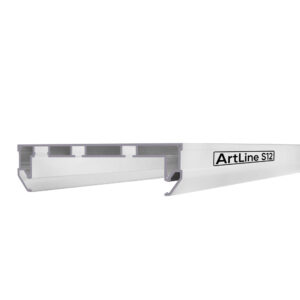
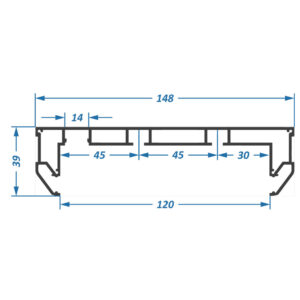
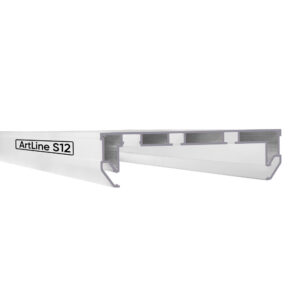
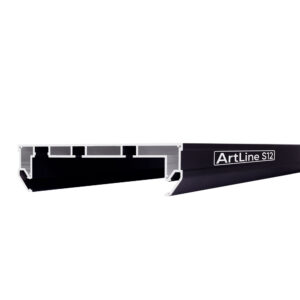
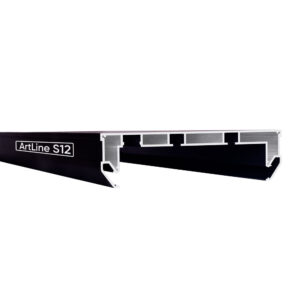
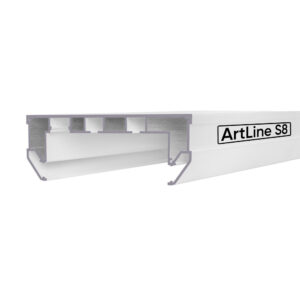
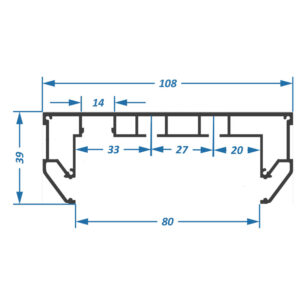
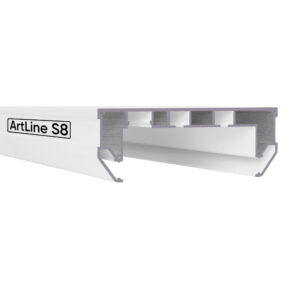
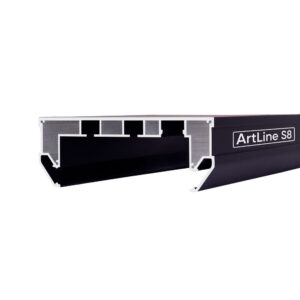
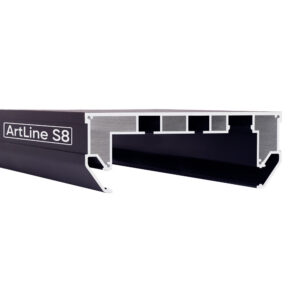
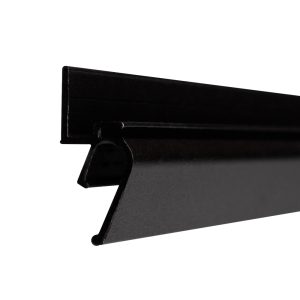
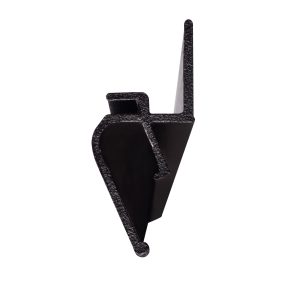
A hidden curtain track makes the curtains part of the ceiling: the fabric falls naturally from the membrane plane and the fixings are invisible. Curtain track profiles include ArtLine AG15 and AP13, as well as K90. Niches are made with ArtLine S and MS series profiles. A curtain niche is a U-shaped profile that combines a curtain fixing and a box where a drape and a light sheer hang side by side. The niche is made flush with the membrane or with a change of ceiling level. Because of the weight of the curtains, the profile is always fixed to the slab or to a mounting platform.
Lumpera magnetic track
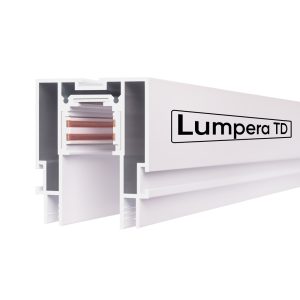
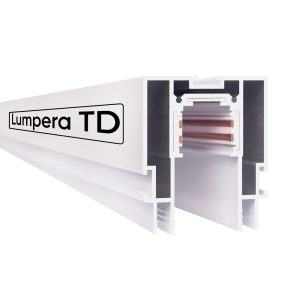
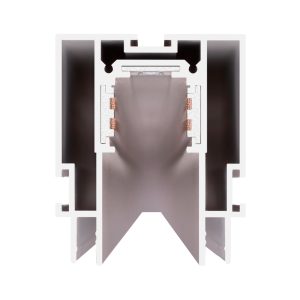
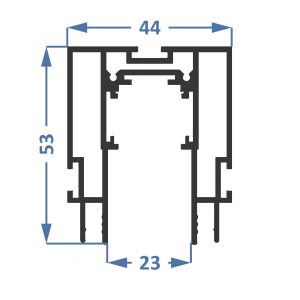
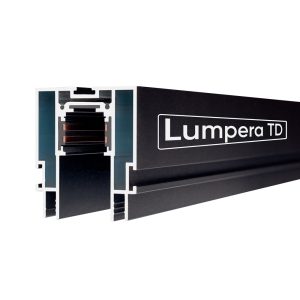
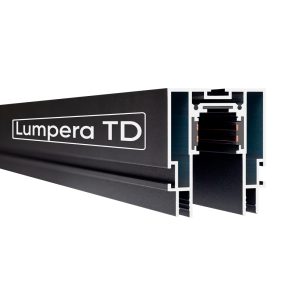
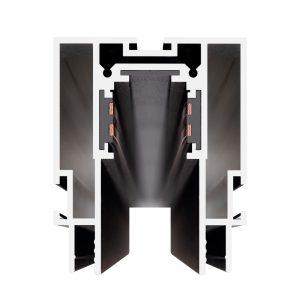
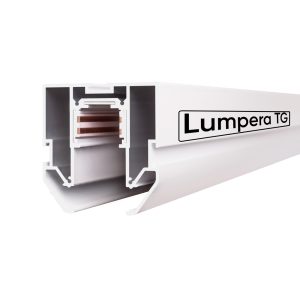
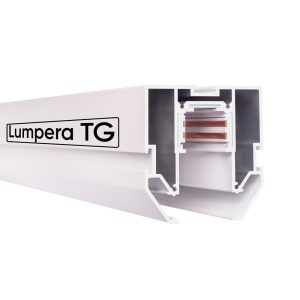
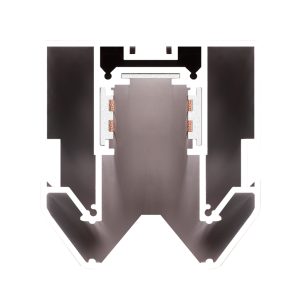
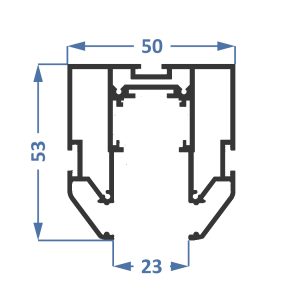
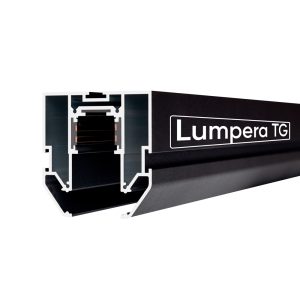
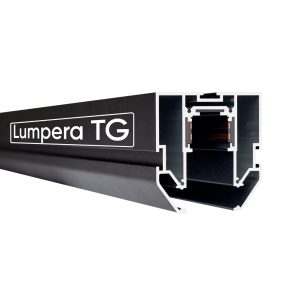
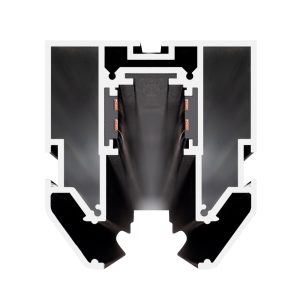
Lumpera TD and TG profiles are made for a magnetic track system built into the stretch ceiling plane. In this system the rail sits flush with the membrane, and the magnetic track lights can be moved by hand. The track expands lighting options for kitchens, retail spaces and premium interiors where the light has to follow the needs of the room. Profile lengths are 1, 2 or 3 metres.
Aluminium or PVC profile: which to choose
A PVC harpoon-system baguette is cheaper and bends easily, so it is convenient for curved sections and complex ceiling shapes. An aluminium profile is stiffer: the metal frame does not sag between fixing points and has a strength margin for ceilings in large rooms. The fixing type depends on the membrane material: the most common system in stretch ceiling installation is the harpoon system, where the rigid edge of the PVC membrane (the harpoon) locks into a groove. Fabric membranes have no harpoons, so they are fixed with a clip profile, and an H-shaped separating profile is used to join two membranes. Special profiles need the properties of a rigid frame, so this whole category is aluminium. Two more advantages of metal are colour and durability: anodised or painted aluminium does not turn yellow, unlike plastic baguettes.
Profile comparison: models, lengths, colours
A short comparison of the five stretch ceiling profile options:
Type
Models in the catalogue
Profile length
Colour
Purpose
Shadow-gap
Eurocrab, Eurocrab N3, Mits, Alteza Delta, basic, extended
2 or 2.5 m
white, black (N3 and Alteza Delta black only)
ceiling without an insert, with a shadow line
Floating
GKh1
2 m
white, black
perimeter LED lighting
Curtain track
ArtLine AG15, ArtLine AP13, K90
AG15: 2.5–3.5 m; AP13: 2–4 m; K90: 1.5–6 m
white, black
hidden curtain track
Curtain niche
ArtLine S8, S10, S12, MS10, MS15
S8: 1.5–4.5 m; MS15: 2.5–3.5 m
white, black
curtain niche in the ceiling plane
Magnetic track
Lumpera TD, Lumpera TG
1, 2 or 3 m
white, black
magnetic track lights in the ceiling plane
How to choose a stretch ceiling profile
There is a simple rule: first the task, then the model. A ceiling without a skirting or insert means a shadow-gap model; perimeter light means a floating profile; curtains from the ceiling mean a niche or a curtain track profile; flexible lighting means a magnetic track. Next, for the installation you need to assess the base and the room height and find out what passes through the ceiling: a heating pipe, an extractor hood, an air conditioner. This determines the choice of ceiling profile, the fixing type and the number of components.
Walls. Check the wall plane with a level: a perfect fit without gaps is only possible on a flat wall; ask the manager about the maximum permissible deviation for a particular model.
Base. In concrete and brick a quick-install dowel gives a reliable fixing, while plasterboard partitions need mounting platforms made of timber or wooden battens.
Fixing pitch. Usually 100–150 mm; at corner joints and where two profile lengths meet, dowels are placed more often. The correct pitch guarantees installation quality and even membrane tension; if the profile is not perforated, holes are drilled on site.
Height. A standard baguette lowers the ceiling by only 30 mm, while a niche, a track or spotlights require a larger drop from the base ceiling.
Light. For a floating ceiling an 8 or 10 mm wide strip is used most often, and light lines are covered with a polycarbonate diffuser. Perimeter lines are powered from a supply with a 20–30% power reserve; plan a place for it in advance.
Curtains. Practical niche width for a hidden curtain track: one row 80–100 mm, two rows 120–150 mm, three rows from 150 mm.
How to calculate the amount of profile
The calculation is easy to do yourself. The amount depends on the room size: baguettes and special profiles are counted in linear metres along the ceiling perimeter, not per square metre like the membrane. To get the required quantity, divide the perimeter by the profile length: a 4 × 5 m room has an 18 m perimeter; with 2.5 m profiles that is 7.2, so you need 8 pieces with a margin for trimming at the corners. In the 2–4 m range the K90 and S8 models come in 10 cm length steps, so the profile can be matched exactly to the wall length. If the perimeter is complex, check the calculation with a manager: every room has a unique perimeter.
Ceiling components in one order
The profile works together with corners, end caps and a set of other fixing parts, so it is more convenient to buy stretch ceiling components in one order before installation starts. The accessories section has corners for GKh1, Eurocrab and the extended shadow-gap profile, and for Gamma 35 lines — connectors, a cross piece and an end cap. When a pipe passes through the membrane, a thermal ring reinforces the cut-out, and the edge is covered with a decorative pipe ring. You will also need mounting platforms, LED strip, power supplies, terminals and more — all of it is in the components catalogue. Dealers have access to the PullSkyPRO program, which simplifies design: drawings made in it include light fixture layout. For complex structures there is argon welding of aluminium profiles.
How to order a stretch ceiling profile
Open the catalogue: by default it shows all items, and the filter by type, brand, length and colour quickly narrows the choice. The “In stock” filter hides products that are not in the warehouse. Place an order for several items in one cart or contact a manager on Viber, Telegram or WhatsApp: +38 067 5257940, daily from 9:00 to 18:00. The price in UAH depends on the model, colour and profile length, and a manager will calculate the cost of a large order. The company keeps minimal mark-ups on components.
Delivery by Nova Poshta from 1 day, all over Ukraine: Kyiv and small towns alike. Details on the Delivery page.
Wholesale for dealers: a partnership request is submitted via the form on the website.
Everything from one supplier: profiles, PVC membranes of the main series and ART, lighting and components — one delivery instead of several.
Frequently asked questions (FAQ)
Which profile is best for stretch ceilings in a bathroom or kitchen?
For damp rooms an aluminium profile is the universal choice: aluminium does not rust, and the surface is protected by paint or anodising, so the coating is not afraid of moisture. In a kitchen a magnetic track is convenient because the light is easy to move. In a bathroom a shadow-gap ceiling or floating lighting with a moisture-proof strip works well.
Can a shadow-gap ceiling be installed on uneven walls?
Not without levelling: the shadow line copies every deviation, so the walls must be perfectly even along the whole ceiling perimeter. The ideal scenario is to plan the profile at the renovation stage, before the finishing plaster. Some models are installed on a finished wall, others under the plaster before painting, and the result depends on this.
What if a pipe passes through the ceiling?
A pipe does not prevent installation. During installation a thermal ring is glued to the membrane, a cut-out is made inside it, and the passage is covered with a decorative pipe ring. Where the pipe is right next to the wall, the way around it is decided on site.
Can light lines be the main lighting?
Yes, if the total luminous flux of the lines matches the room area. The calculation uses the effective luminous flux of the strip, not the length of the lines. In corridors and kitchens, light lines in a stretch ceiling often replace a chandelier, and a polycarbonate diffuser gives even light.
Do you sell profiles at retail?
Pullsky’s main customers are more than 800 dealers and installation teams who buy wholesale. For retail purchases, write to a manager who will explain the terms. Buyers’ rights are protected by the Law of Ukraine “On Consumer Rights Protection”.
A ceiling profile only becomes noticeable when it was chosen wrongly: a gap between the wall and the ceiling edge, a wavy shadow line, a curtain catching the membrane. Want to avoid these problems? Choose a profile in the filter and add items to the cart, and if the choice is difficult, send the room plan to a manager. You can buy or order a stretch ceiling profile from Pullsky on the website, with delivery across Ukraine from 1 day.